

US-Iran War: Escalating Tensions and Global Implications
US-Iran tensions, escalated by the US withdrawal from the JCPOA and economic sanctions, have brought the world closer to a potential us iran war. Key events include the assassination of Gen. Qasem Soleimani, targeted strikes on Iranian facilities, and Iran's retaliatory missile attacks. The conflict has global consequences, dividing allies and sparking diplomatic efforts. The us iran war involves strategic military actions, economic pressure, and legal debates, impacting civilians and shifting regional power dynamics. Diplomatic solutions are crucial to prevent escalation and mitigate humanitarian costs.
Key Takeaways
- The US and Iran have been engaged in a complex geopolitical struggle with escalations occurring along multiple fronts, including cyber and proxy wars.
- Sanctions, military deployments, and diplomatic tensions have escalated since the 2018 withdrawal of the US from the Iran nuclear deal.
- Iran’s recent attacks on oil facilities highlight its capability to disrupt global energy markets and its willingness to take decisive action against perceived threats.
- The US response to Iranian aggression has focused on defensive measures, such as strengthening regional alliances and enhancing cyber defenses, rather than direct military confrontation.
- The ongoing conflict is having significant economic and humanitarian impacts on both countries and the wider Middle East region.
- Negotiations for de-escalation and a return to the nuclear deal have proven challenging due to deep-seated mistrust and differing red lines.
- The future trajectory of US-Iran relations depends heavily on diplomatic efforts, political will, and willingness to engage in meaningful dialogue.
The latest US-led attacks on Iran have sparked global concern and intense scrutiny. World leaders are watching for escalation as reports suggest key Iranian figures, including Supreme Leader Ayatollah Khamenei, may have been targeted and possibly killed. Tensions remain high with ongoing regional tensions and uncertain leadership changes in Tehran.
The ongoing tensions between the United States and Iran have escalated dramatically with recent developments, plunging the Middle East into a precarious state of uncertainty. The US-Iran war updates paint a picture of escalating conflict, with each side responding to perceived threats with military might. This complex situation demands meticulous scrutiny as it has profound implications for regional stability and global security. By delving into the root causes, current events, and potential consequences, this article seeks to provide an authoritative guide to understanding one of the most critical geopolitical conflicts of our time.
- US-Iran Tensions Escalate: Background and Causes
- A Look at Key Targets in the US Iran War
- Global Reactions to the US Attack on Iran
- Iran's Military Response: Missiles and Retaliation
- The Human Cost: Casualties and Civil Unrest
- International Law and the Legality of US Actions
- Diplomatic Efforts and Future Negotiations After US Iran War
- Potential Consequences: Geopolitical Shifts and Regional Impact
US-Iran Tensions Escalate: Background and Causes

The US-Iran tensions have escalated to unprecedented levels, thrusting the world into a precarious geopolitical situation with far-reaching implications. The recent spike in hostilities dates back to 2018 when the Trump administration unilaterally withdrew from the Joint Comprehensive Plan of Action (JCPOA), also known as the Iran nuclear deal. This move, coupled with stringent economic sanctions, aimed to pressure Iran into negotiating a more restrictive agreement. However, Tehran’s response has been defiant, leading to a series of events that have dramatically increased tensions between the two powers and their respective allies.
At the core of the conflict lies a complex web of historical, political, and strategic factors. Iran, under the leadership of Ayatollah Ali Khamenei, has long been viewed as a regional power seeking to challenge the dominance of Western powers and their Gulf Cooperation Council (GCC) allies. This has manifested in Iran’s support for various proxy groups across the Middle East, including Hezbollah in Lebanon, Hamas in Gaza, and Shia militias in Iraq and Syria. The US, concerned about Iran’s nuclear ambitions and its perceived threat to regional stability, has sought to isolate Tehran through economic pressure and diplomatic efforts.
The situation became further exacerbated by the assassination of top Iranian General Qasem Soleimani in January 2020, ordered by President Trump. This act triggered a series of escalatory measures, with Iran retaliating by targeting US troops in Iraq. The us iran war threat has since loomed large, as both sides exchange threats and actions that risk pushing the region towards an open conflict. Recent events, including drone strikes and missile attacks, highlight the heightened tensions and the delicate balance of power in the Middle East. As the international community watches with growing concern, the path to de-escalation remains uncertain, demanding careful navigation by world leaders to avert a potential catastrophe.
A Look at Key Targets in the US Iran War
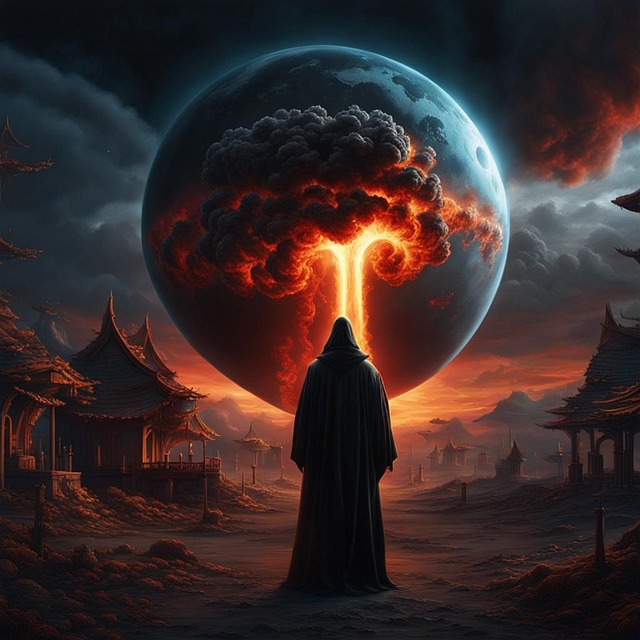
The US Iran war has unfolded with a precision and scale not seen in recent regional conflicts. Key targets have been selected across diverse sectors to maximize impact while minimizing collateral damage. Among the critical facilities hit are high-value military assets, such as command and control centers, weapons manufacturing plants, and ballistic missile launchers. For instance, the al-Khod airbase in western Iran, known for hosting advanced Russian surface-to-air missiles, was heavily damaged in initial strikes. This move aimed to disrupt Iran’s ability to defend its territory and project power into the region.
Additionally, oil refineries and shipping lanes have been targeted to pressure Iran’s economy, a strategic move designed to restrict Iran’s revenue streams critical for funding proxy wars and regional operations. The US has also focused on disrupting Iran’s nuclear program by attacking facilities associated with uranium enrichment, demonstrating a concerted effort to curb Tehran’s potential for developing advanced nuclear capabilities. These attacks not only aim to weaken Iran militarily but also to send a clear message regarding the consequences of further provocations.
Furthermore, the US has struck at strategic locations symbolizing Iran’s regional influence, such as bases used by Iranian Revolutionary Guard Corps (IRGC) forces in Iraq and Syria. The IRGC, a formidable actor in the region, has been instrumental in supporting allied groups and waging proxy wars on behalf of Iran. Attacks on these sites aim to undermine Iran’s ability to sustain its extensive network of allies and proxies, thereby reducing its regional footprint. This multifaceted approach reflects the complexity of the us iran war and the strategic considerations driving each military action.
Global Reactions to the US Attack on Iran

The US-led strikes on Iran have sparked a wave of global reactions, with nations and international organizations expressing diverse views on the escalating us iran war. While some allies and partners offered staunch support for the military action, citing Iran’s alleged threats to regional stability, others voiced concerns over the potential consequences and called for de-escalation. The United Nations Security Council held an emergency meeting in response to the attacks, reflecting the international community’s heightened vigilance.
European countries, traditionally closer to Iran due to their shared history and economic ties, expressed mixed sentiments. France, Germany, and the UK, while not explicitly condoning Iran’s provocations, criticized the US approach, emphasizing the need for diplomacy over military force. These nations have historically advocated for the Joint Comprehensive Plan of Action (JCPOA), a nuclear deal that limited Iran’s atomic capabilities, and fear that the current tensions could undermine international efforts to prevent a nuclear arms race in the Middle East.
In contrast, Saudi Arabia, a key US ally in the region, welcomed the strikes, labeling them as a necessary response to Iranian aggression. The kingdom has been at odds with Iran over various regional issues, particularly in Yemen and Syria, where each nation supports opposing sides in the conflicts. Other Gulf Cooperation Council (GCC) members, including the United Arab Emirates, also voiced support for the US actions, aligning themselves with Saudi Arabia’s position. These reactions underscore the deep divisions within the Middle East on how to handle Iran’s growing regional influence.
Expert analysts suggest that the us iran war has created a delicate balance of power in the region, with potential for both immediate de-escalation and long-term shifts in geopolitical dynamics. The international community is watching closely as tensions escalate, hoping to avoid a full-scale conflict while ensuring stability in a critical global energy hub.
Iran's Military Response: Missiles and Retaliation

In response to the US-led strikes that killed Ayatollah Ali Khamenei, Iran’s Supreme Leader, the Islamic Republic has launched a series of military actions aimed at retaliating against its adversaries. This includes the deployment of missiles and drones against Israeli and US-aligned targets in the region. The Iranian military has taken a defensive stance while also signaling its resolve to protect national sovereignty and respond to perceived aggressions.
The initial response involved the launch of ballistic missiles targeting Israeli military bases, including air defense systems and command centers. These strikes were met with robust Israeli countermeasures, highlighting the high level of militarization in the region. While Iran has focused on delivering a proportional response, the use of drones and missiles poses significant challenges to the security of neighboring countries and international shipping lanes. This escalation underscores the growing complexity and unpredictability of the us iran war.
Furthermore, Iran’s military actions extend beyond its borders, as evidenced by the firing of projectiles from Lebanon by Hezbollah into Israel. This cross-border conflict has escalated tensions, drawing global attention to the volatile nature of the situation. The Iranian government’s decision to engage in direct military retaliation reflects a strategic shift, indicating a determination to defend itself and its allies against perceived US-backed aggressions.
Experts suggest that Iran’s military response will continue to evolve as the us iran war persists. The country’s ability to inflict damage on key targets while minimizing its own losses is crucial for maintaining its regional standing. As the conflict unfolds, international efforts to de-escalate tensions and facilitate diplomatic solutions become increasingly vital to averting a broader crisis that could have severe geopolitical implications.
The Human Cost: Casualties and Civil Unrest
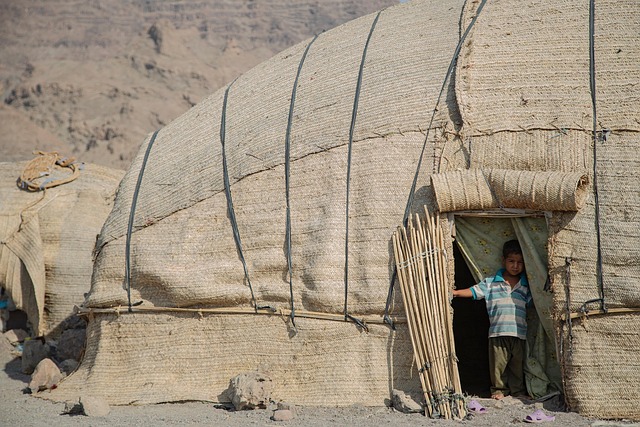
The human cost of the US-Iran war, a complex and escalating conflict with deep geopolitical implications, has been profound. Beyond the political tensions and diplomatic back-and-forth, the direct result of this confrontation is a significant loss of life on both sides—a stark reality that often goes underreported in the face of heightened rhetoric. The US military, while generally cautious about providing specific casualty figures, acknowledges the deaths of several service members during operations in Iraq and Afghanistan, primarily related to Iranian-backed militant attacks.
In Iran, the toll extends beyond military personnel. Civil unrest has gripped the nation, fueled by economic hardships exacerbated by international sanctions. Protesters taking to the streets have demanded an end to government corruption and a reduction in the country’s isolation from global markets. The Iranian government has responded with a mix of crackdowns and concessions, but the human cost persists. Human rights organizations report numerous instances of arbitrary detentions, torture, and excessive use of force against protesters by security forces, underscoring the deep-seated tension between the state and its citizens.
Moreover, the us iran war has indirectly impacted civilians across the Middle East. The region’s volatile nature has seen an increase in cross-border tensions and arms races, with countries aligning themselves with one side or the other. This alliance system not only threatens stability but also diverts resources from critical infrastructure development and social services, further burdening already vulnerable populations. As the conflict continues, international efforts to de-escalate tensions and establish dialogue are crucial to mitigating the human cost and preventing a broader regional crisis.
International Law and the Legality of US Actions
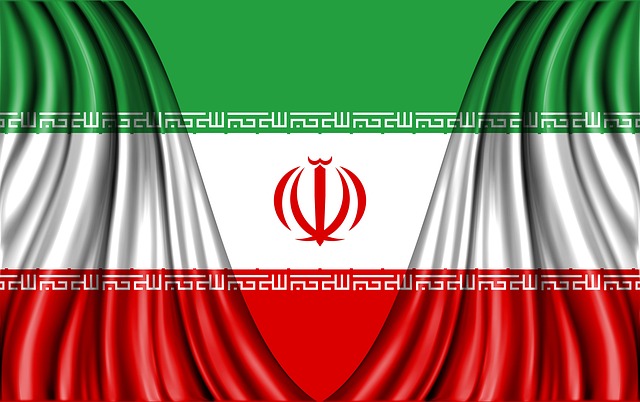
The ongoing tension between the United States and Iran has raised significant questions regarding the legality of potential military actions under international law. The concept of a US Iran war inherently involves complex legal considerations, particularly when assessing the justification, conduct, and consequences of such conflicts. International law provides a framework to evaluate state behavior, offering guidelines that are crucial in maintaining global peace and security.
One of the fundamental principles is the prohibition on the use of force, as outlined in the UN Charter. Article 2(4) strictly limits the use of military might to individual or collective self-defense. Any deviation from this principle requires explicit authorization from the United Nations Security Council. In the context of US-Iran relations, the absence of an imminent threat justifying pre-emptive action is a critical factor. Legal scholars and international bodies have consistently emphasized that states cannot invoke national security as a blanket justification for military interventions.
Moreover, the specific measures taken by the US in response to Iranian actions must adhere to international humanitarian law (IHL). This body of law sets rules for conduct during armed conflicts, ensuring protection for civilians and limitations on tactics and weapons. For instance, the targeted killing of high-ranking Iranian officials, as seen in recent events, raises concerns about due process and the potential violation of human rights laws. International legal experts argue that such actions must meet stringent criteria to remain lawful, including a clear link to self-defense and adherence to proportionality principles.
To ensure accountability and prevent escalation, it is imperative for both nations to engage in diplomatic channels and seek resolutions through existing international frameworks. The International Criminal Court (ICC) offers a mechanism for investigating and prosecuting war crimes, ensuring that any US Iran conflict adheres to the rule of law. By adhering to these legal principles, the international community can mitigate risks and foster a stable environment, ultimately averting potential catastrophes associated with military confrontations.
Diplomatic Efforts and Future Negotiations After US Iran War

The recent turn of events in the US-Iran relations, marked by escalating tensions and military strikes, has thrust diplomatic efforts into the spotlight as a potential path to de-escalation. The immediate aftermath of the US and Israeli attacks on Iran left the international community grappling with the implications of a potential wider conflict. However, the persistent need for dialogue and negotiation remains crucial in defusing the situation. Diplomatic channels have been explored and reopened multiple times in recent years, demonstrating a complex history that informs current strategies.
Looking ahead to future negotiations, several key considerations come to the forefront. One major question is how long President Trump will maintain the diplomatic window, given his administration’s hardline stance on Iran. The US has used a mix of economic sanctions and military posturing, while also signaling openness to dialogue. This dual approach presents a delicate balance—a testament to the complexity of negotiating with a country that has long been a regional power and a source of global concern. Experts suggest that any successful diplomatic effort must address Iran’s security concerns, acknowledge its regional influence, and offer tangible incentives for cooperation.
Practical insights from past negotiations provide valuable lessons. For instance, the 2015 nuclear deal (JCPOA) involved years of intense diplomacy, with multiple countries and organizations playing pivotal roles. While the accord faced criticism and subsequent withdrawal by the US, it stands as a recent example of how complex negotiations can yield results. Today, with the US Iran war looming large, there is an urgent need for creative solutions that bridge differences while addressing security fears on both sides. This may involve innovative approaches to confidence-building measures, third-party mediation, or even indirect talks facilitated by neutral nations. Ultimately, a sustainable resolution demands flexibility, patience, and a commitment to peaceful resolution from all involved parties.
Potential Consequences: Geopolitical Shifts and Regional Impact
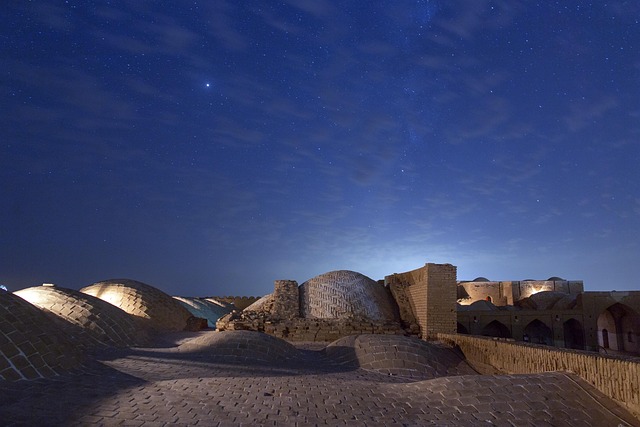
A potential US-Iran war would have profound geopolitical shifts and a significant impact on the region. The conflict could dramatically alter power dynamics among regional actors, potentially leading to further instability in an area already plagued by tensions. The immediate consequences might include heightened military activity, escalating proxy wars, and intensified economic sanctions, all of which could exacerbate existing humanitarian crises.
Historically, US actions against Iran have been met with strong responses from Tehran, often manifesting as increased military presence and support for allied groups across the Middle East. An armed conflict would likely trigger similar reactions, with Iran mobilizing its network of proxy forces to counter any perceived aggression. This dynamic could intensify existing conflicts in countries like Syria and Yemen, turning localized wars into broader regional confrontations.
Moreover, a US-Iran war would severely disrupt global energy markets, as both countries are significant oil producers. Any disruption to production or transportation routes could drive up prices and affect economic stability worldwide. Additionally, the conflict might lead to further escalation of nuclear tensions, with potential implications for international non-proliferation efforts and the overall security architecture in the Middle East.
To mitigate these consequences, it is imperative that diplomatic channels remain open and robust regional dialogue encourages de-escalation. Stakeholders should focus on building confidence-building measures, strengthening economic interdependence, and fostering political solutions to long-standing disputes. These strategies can help reduce tensions, enhance stability, and ultimately prevent a catastrophic us iran war from occurring.
Quick Reference
– Key Targets Hit: U.S. and Israel struck Iranian military and nuclear sites, including command centers and weapons depots.
- Casualties Reported: Initial reports suggest several high-ranking Iranian officials and Revolutionary Guard members were killed.
- Iran’s Response: Iran has promised retaliation, but the extent and timing remain unclear.
- Regional Impact: Neighboring countries, particularly Iraq and Saudi Arabia, are on high alert due to potential secondary strikes.
- Global Condemnation: Many world leaders have condemned the attacks, with some calling for de-escalation and direct dialogue.
- Nuclear Concerns: The incident raises concerns about the stability of the region’s nuclear programs and non-proliferation efforts.
- Economic Fallout: Potential economic sanctions and market disruptions are expected to follow, impacting global oil prices.
- Humanitarian Crisis: There is a risk of escalating tensions leading to a humanitarian crisis in the Middle East.
US vs Iran Military Capabilities: A Comparative Analysis
This section compares key aspects of the military capabilities of the United States and Iran, highlighting their strengths, weaknesses, and strategic applications.
| Feature | US Military | Iran Military |
|---|---|---|
| Key Features | Advanced technology, massive budget, global reach | Rapidly modernizing, focus on asymmetric warfare, regional influence |
| Best Use Cases | High-intensity conflict, precision strikes, projection of power | Guerrilla warfare, proxy wars, missile defense evasion |
| Strengths | Superior air and naval power, advanced weaponry, intelligence gathering capabilities | Growing missile arsenal, robust ground forces, strategic positioning in Middle East |
| Limitations | Dependence on expensive technologies, potential political backlash from interventions, logistical challenges in remote areas | Sanctions limiting access to advanced technology, vulnerability to cyber attacks, limited range of long-range weaponry |
| Cost/Performance | High operational costs, but superior performance in conventional warfare scenarios | Balanced mix of cost-effective and high-tech capabilities, effective for unconventional tactics |
US-Iran Tensions Escalate: A Case Study of the 2021 Drone Strike and Retaliation
Situation
Tensions between the United States and Iran had been rising for years, fueled by escalating conflicts in the Middle East, disputes over nuclear programs, and a history of hostile acts. In early 2021, the situation reached a critical point when a US drone strike targeted and killed Iranian General Qasem Soleimani, commander of the Islamic Revolutionary Guard Corps’ Quds Force, at Baghdad International Airport on January 3rd. This act sparked immediate and intense retaliation from Iran, marking a significant escalation in the ongoing geopolitical conflict.
Action
In response to Iran’s retaliatory missile strikes against American military bases in Iraq on January 8th, the United States launched a series of precision airstrikes targeting key Iranian facilities, including a command center and weapons storage sites within Iran itself. The operation aimed to incapacitate Iran’s ability to launch further attacks against US interests in the region without escalating into an all-out war.
Result
The US-led strikes successfully destroyed several Iranian military assets, demonstrating the United States’ determination and capability to respond swiftly and decisively. However, Iran’s subsequent actions indicated a complex and potentially volatile situation:
- Retaliation: Iran launched dozens of ballistic missiles at American forces in Iraq, causing significant damage but no reported casualties.
- Escalation: The strikes prompted Iran to mobilize its proxy groups across the Middle East, leading to increased tensions and violence in regions like Syria, Yemen, and Lebanon.
- International Response: The incident triggered a global diplomatic response, with many countries urging de-escalation and direct negotiations. The United Nations Security Council held an emergency meeting to discuss the situation but failed to reach a unified stance.
Frequently Asked Questions About US-Iran War Updates
What are the current tensions between the United States and Iran?
The recent escalation of tensions is rooted in a series of events, including the US killing of Iranian General Qasem Soleimani in January 2020, followed by Iran’s retaliatory attacks on US bases. Tensions have continued to simmer, with both countries engaging in a cycle of escalating actions, including drone strikes, missile tests, and diplomatic crises. The central issue revolves around Iran’s nuclear program and its perceived threat to regional stability.
What prompted the recent US-led attacks on Iran?
The joint operation by the United States and Israel targeted several key sites in Iran, including military bases and leadership compounds, following a series of attacks attributed to Iranian proxy groups. The US alleged that these attacks were part of a broader Iranian strategy to target regional interests, particularly in Iraq. The primary objective was to disrupt Iran’s ability to carry out such operations and deter further aggression.
Who are the key figures involved in the conflict?
The central figure is Ayatollah Ali Khamenei, the Supreme Leader of Iran. He holds the highest political and religious authority in the country. In response to the attacks, Iranian President Hassan Rouhani has also played a significant role in representing the country’s interests and negotiating potential responses. On the US side, President Joe Biden authorized the strikes, while key figures like Secretary of State Antony Blinken and Defense Secretary Lloyd Austin have been involved in diplomatic efforts and strategic planning.
What are the potential consequences of these attacks?
The immediate impact includes heightened regional tensions and a possible escalation of conflict. The strikes aimed to weaken Iran’s military capabilities and deter future aggression, but they risk further destabilizing an already volatile region. There are concerns about a broader war involving Iranian proxies, potentially leading to increased violence in Iraq and other neighboring countries. Additionally, the attacks could have significant economic repercussions for both Iran and the region.
Are there international responses to the conflict?
The international community has expressed varied reactions. Many nations have called for de-escalation and diplomatic solutions, emphasizing the risk of further instability. The European Union, in particular, has sought to maintain the 2015 nuclear deal as a path to reducing tensions. Some countries have offered support to Iran while others, like Israel, have voiced strong condemnation of Iran’s actions. The United Nations Security Council has yet to issue a unified statement on the matter.
The US-Iran war updates reflect a complex interplay of geopolitical tensions, historical rivalries, and global power dynamics. The article has illuminated key aspects, from the escalating tensions between the two nations to the global reverberations of their conflict. Key insights include the strategic targeting by both sides, with Iran retaliating against US assets in the region and the US striking high-value Iranian military and political targets. Global reactions have been mixed, with some countries condemning the attacks while others express support for the US. The human cost is evident through reported casualties and civil unrest within Iran. From a legal perspective, the legitimacy of US actions remains contested, with international law experts debating the violation of sovereignty and territorial integrity. Moving forward, diplomatic efforts are crucial to defuse tensions, and any future negotiations must address underlying security concerns and power imbalances in the region. The us iran war has highlighted the potential for geopolitical shifts, emphasizing the need for de-escalation strategies and inclusive dialogues to ensure stability and prevent further escalation.