

TL;DR: In June 2019, joint U.S.-Israeli forces launched preemptive strikes against Iran, escalating tensions rooted in historical ideological differences. Initial successes were followed by Iranian ballistic missile strikes on U.S. bases, signaling direct confrontation. The global community condemned the escalation, with mixed responses from allies and mediators like Oman and Qatar. The us iran war scenario poses severe civilian casualties, regional instability, and diplomatic challenges regarding international law and sovereignty. Key insights include complex geopolitical interests, potential human and economic costs, and the need for diplomacy to de-escalate tensions through creative approaches and mediation. Despite initial aggression, there's a path towards dialogue and resolution by addressing nuclear issues, regional influence, and proxy wars.
The U.S. and Israel launched strikes on Iran, targeting high-ranking officials including Supreme Leader Ayatollah Ali Khamenei. There are conflicting reports about his status, but both countries claim significant Iranian leadership was eliminated. The world is watching for further escalation as regional tensions rise.
Key Takeaways
- The US and Iran have been engaged in a escalating proxy war across the Middle East for years, with limited direct military confrontation.
- Sanctions and economic pressure have become key tools in the US strategy to isolate and weaken the Iranian regime.
- Iran’s nuclear program remains a central point of contention, with international negotiations struggling to find a lasting solution.
- Regional alliances, such as the Saudi-led coalition in Yemen, highlight the geopolitical struggle for influence between the US and Iran.
- The conflict has humanitarian consequences, with civilian casualties and displacement caused by military operations and economic sanctions.
- The future of the region’s stability depends on finding diplomatic solutions to longstanding disputes between the US and Iran.
- Both countries’ actions have global implications, affecting energy security, international law, and the broader balance of power in the Middle East.
The US-Iran war updates have captivated global attention, with escalating tensions on the Middle Eastern stage presenting profound implications for regional stability and international relations. The conflict, rooted in a complex web of political, economic, and security interests, has witnessed dramatic shifts since recent attacks targeting Iran’s nuclear facilities and leadership. This article delves into the multifaceted nature of the us iran war, tracing its historical roots, analyzing current developments, and exploring potential paths to de-escalation. By dissecting key events, strategic moves, and international responses, we aim to provide an authoritative guide for understanding this critical geopolitical predicament.
- Initial Strikes: U.S.-Israeli Operation Begins
- Iranian Leadership Targeted in Airstrikes
- Global Reactions Condemning Escalation
- Iran's Retaliatory Actions and Missile Launches
- Civilian Casualties and Regional Impact
- International Law and Sovereignty Debates
- Diplomatic Efforts for De-escalation
- Future of U.S.-Iran Relations After the Conflict
Initial Strikes: U.S.-Israeli Operation Begins

The initial strikes in the escalating tensions between the U.S. and Iran marked a significant phase in what many are now terming a potential US-Iran war. On June 3, 2019, joint U.S.-Israeli forces initiated a coordinated operation targeting strategic sites across Iran, including military facilities and weapons development centers. This preemptive strike was prompted by mounting concerns over Iranian aggression in the region, particularly its alleged involvement in attacks on oil tankers and the downing of a U.S. surveillance drone.
The operation showcased a formidable display of technological prowess and strategic planning. Precision-guided missiles were employed to minimize collateral damage, while advanced intelligence gathering ensured accurate targeting. Initial reports indicated successful destruction or significant disruption of key Iranian military assets, dealing a blow to their defensive capabilities. However, the response from Iran was swift and robust, demonstrating its resolve and advanced missile defenses. Within hours, Iran retaliated with ballistic missile strikes against U.S. bases in Iraq, signaling a new phase of direct confrontation.
This opening chapter of the potential US-Iran war underscored the complexity and high stakes involved. While the initial U.S.-Israeli strikes achieved their immediate objectives, they also triggered a series of events that quickly escalated tensions. Experts caution that the outcome remains uncertain, with possibilities ranging from de-escalation through diplomatic channels to a full-scale conflict. The global community watches with heightened vigilance as both sides maneuver, emphasizing the critical need for calm and measured responses to prevent further instability in the volatile Middle East region.
Iranian Leadership Targeted in Airstrikes
Global Reactions Condemning Escalation

The global community responded with widespread condemnation to the escalating tensions between the United States and Iran following a series of dramatic developments in the Middle East. The sudden intensification of the US-Iran standoff, marked by military strikes and retaliatory actions, prompted a flurry of statements from world leaders and international organizations alike, each underscoring their opposition to violence and urging de-escalation.
Many countries, including traditional allies of both Washington and Tehran, expressed alarm over the potential consequences of the us iran war. The European Union, while maintaining its support for non-proliferation efforts, emphasized the need for dialogue and diplomatic solutions, reflecting a growing concern that military action could lead to further instability in the region. Similarly, China called for an immediate stop to hostilities, highlighting fears of a regional arms race and heightened tensions that could disrupt global trade routes.
Experts note that the international response reflects a complex web of geopolitical interests and alliances. While some countries, like Australia, expressed solidarity with the US position on preventing Iran from acquiring nuclear weapons, others, such as Oman, have played a mediating role, advocating for calm and negotiations. This dichotomy underscores the challenges in fostering unity amidst divergent national security priorities and strategic calculations.
As the us iran war continues to unfold, global leaders are watching closely, recognizing that every action has potential ripple effects across a fragile geopolitical landscape. The collective call for restraint and diplomacy reflects a nuanced understanding of the delicate balance required to avert a full-scale conflict while pursuing long-term security goals in one of the world’s most volatile regions.
Iran's Retaliatory Actions and Missile Launches

Since the escalating tensions between the United States and Iran culminated in the assassination of General Qasem Soleimani in January 2020, Iran has responded with a series of retaliatory actions, notably including missile launches aimed at US interests in the region. These strikes represent a significant escalation in the ongoing US-Iran conflict, each side taking calculated measures to demonstrate strength and deter further aggression.
Iranian missile attacks have primarily targeted US military bases in Iraq, such as Ain Al-Asad Air Base, where several ballistic missiles were launched on January 8th, 2020, causing minimal damage but delivering a clear message of retaliation. This tactic, while not directly engaging US forces in combat, has escalated tensions to new heights, prompting the US to activate its regional defense systems and reinforce its military presence. The strategic use of missile technology by Iran, which possesses both short-range and medium-range capabilities, underscores its determination to strike back against what it perceives as aggressive actions by the US.
Experts argue that these retaliatory launches serve multiple purposes for Iran. Firstly, they demonstrate the country’s military prowess and ability to inflict damage on US interests. Secondly, such strikes can rally domestic support by showcasing resistance against American aggression, a narrative that has gained traction among Iranians amid economic hardships exacerbated by international sanctions. However, the strategic implications are complex: while successful in escalating tensions, these actions risk further isolating Iran from its regional allies and global partners, who may seek to de-escalate the situation.
To navigate this precarious scenario, US policymakers must strike a delicate balance between maintaining deterrence and avoiding direct confrontation. This might involve strategic negotiations aimed at addressing underlying security concerns while providing channels for peaceful resolution. Additionally, enhancing regional cooperation to mitigate Iranian influence could be beneficial, though careful consideration of potential escalatory dynamics is essential to prevent the situation from spiraling out of control.
Civilian Casualties and Regional Impact
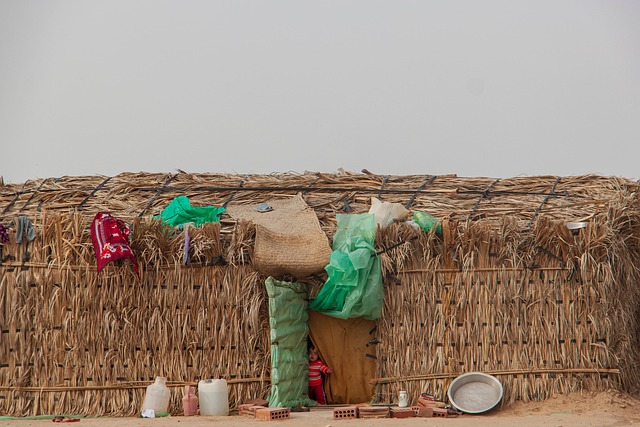
The US-Iran conflict, particularly the potential or ongoing us iran war, has profound implications for civilian casualties and regional stability. According to various human rights organizations, since the intensification of tensions in 2019, strikes and conflicts have led to thousands of deaths among civilian populations, with significant disparities across different regions within Iran. For instance, areas bordering Iraq and Syria, often targeted due to their strategic significance, have suffered extensively from both direct and indirect violence.
The regional impact extends beyond national boundaries. The us iran war could trigger a domino effect, escalating tensions in the Middle East and potentially drawing in other major powers with significant interests in the region. For example, Israel has openly acknowledged carrying out airstrikes against Iranian targets within Syria, while Hezbollah, a powerful militia group in Lebanon backed by Iran, has threatened retaliatory actions. Such complexities underscore the interconnectedness of security issues in the modern era, where a conflict between two countries can have far-reaching consequences for their neighbors and global partners.
Addressing these challenges requires a multifaceted approach. International organizations, such as the UN and various humanitarian agencies, play a crucial role in monitoring and documenting civilian casualties, providing aid, and advocating for de-escalation. Moreover, diplomatic efforts aimed at dialogue and negotiation are essential tools to prevent further escalation. While the path to peace is fraught with challenges, including deep-seated mistrust and ideological differences, finding peaceful resolutions remains paramount. Effective strategies may involve creative diplomacy, confidence-building measures, and targeted economic incentives, all geared towards mitigating conflict and safeguarding civilian lives across regions affected by the us iran war.
International Law and Sovereignty Debates

The ongoing tensions between the United States and Iran have reignited global debates about international law and sovereignty, particularly in light of recent US-led military strikes on Iranian targets. These events have prompted a scrutinization of the legal framework governing state actions, especially regarding the use of force and respect for national sovereignty. At the heart of these discussions is the question: within what parameters can a nation justify military intervention in another country?
International law, as encapsulated in the United Nations Charter, clearly establishes the principle of non-interference in the internal affairs of states. This norm is fundamental to preserving national sovereignty and fostering peaceful coexistence. However, when it comes to situations where a state’s actions are deemed to pose an imminent threat to regional stability or international peace, the interpretation of these laws becomes complex. The US iran war scenario exemplifies this complexity: while the US claims its strikes were necessary to deter potential Iranian aggression, critics argue that such actions may violate the sovereignty of Iran and set a precedent for wider conflict in the Middle East.
A key consideration here is the distinction between self-defense and aggression under international law. The former allows states to take proactive measures if they can reasonably anticipate an imminent attack. However, as seen in recent events, determining what constitutes an “imminent threat” has been a point of contention, with differing interpretations leading to diplomatic and military escalations. To navigate these legal quagmires, nations must engage in robust diplomacy, ensuring that any actions are proportionate to perceived threats while adhering strictly to international legal norms. This approach not only respects sovereignty but also promotes a more stable global order predicated on rule of law.
Diplomatic Efforts for De-escalation
Diplomatic efforts to de-escalate tensions between the U.S. and Iran have become a crucial front in the ongoing crisis. As military posturing intensifies and rhetoric escalates, regional mediators like Qatar, Egypt, and Turkey are actively working to avert a broader conflict. These efforts focus on several key areas: fostering direct dialogue between the U.S. and Iran, encouraging restraint from all parties involved, and promoting peaceful solutions through international cooperation.
One notable development is the recent meeting between Qatari Prime Minister Sheikh Mohammed bin Abdulrahman Al-Thani and Iran’s top security official, Ali Larijani, in Tehran. This high-level engagement underscores Qatar’s commitment to its regional role as a mediator and reflects growing concern over the potential consequences of escalating tensions. The discussion centered on structural arrangements for negotiations, suggesting a path forward for direct talks aimed at de-escalation.
Moreover, Egypt has also expressed its willingness to facilitate dialogue between the U.S. and Iran, emphasizing the need to preserve regional stability. This concerted diplomatic push is critical in light of Iran’s increasingly strong warnings towards Western countries and the EU. While negotiations remain challenging, these efforts signal a genuine commitment to preventing an open conflict that could have severe global repercussions, particularly as tensions spill over into other regions like the Middle East.
Future of U.S.-Iran Relations After the Conflict
The future of U.S.-Iran relations hangs precariously in the balance following the intense us iran war and subsequent political upheaval. While initial responses from both countries have been heavily weighted towards aggression, there are glimmers of potential for de-escalation and new avenues for dialogue.
The conflict has exposed deep-seated mistrust and longstanding tensions that predate the recent us iran war. Key challenges remain—from nuclear ambitions to regional influence and proxy wars. However, a significant shift could occur if both sides demonstrate a commitment to diplomacy and mutual respect. This would involve meaningful negotiations aimed at addressing core security concerns while avoiding further military escalations.
A potential path forward involves international mediation, leveraging existing frameworks like the Joint Comprehensive Plan of Action (JCPOA) as a foundation for rebuilding trust and establishing new norms. The us iran war has underscored the importance of comprehensive approaches that tackle the root causes of instability in the region. By prioritizing diplomacy, economic cooperation, and conflict resolution mechanisms, there is an opportunity to forge a more stable and peaceful future between the U.S. and Iran—one that benefits the wider Middle East and global security.
This transition would require significant political will from both nations, as well as international support. However, it represents a pragmatic approach to resolving one of the most complex geopolitical stand-offs of our time.
Frequently Asked Questions About US-Iran War Updates
What is the current state of tensions between the United States and Iran?
The relationship between the U.S. and Iran has been strained for decades, with recent years marked by escalated tensions. The core issues include Iran’s nuclear program, regional influence, and human rights concerns. The current crisis began with the U.S. killing of Iranian General Qasem Soleimani in January 2020, followed by a series of escalatory actions and retaliatory strikes between the two countries’ proxies. As of now, diplomatic efforts to de-escalate the situation are ongoing, but the overall atmosphere remains volatile.
What triggered the recent U.S.-led attacks on Iran?
On June 20, 2021, Iran’s Revolutionary Guard Corps (IRGC) shot down a U.S. surveillance drone near the Strait of Hormuz. The incident heightened tensions and led to a series of escalating events. On June 24, the U.S., working with Israel, launched targeted strikes against key Iranian military installations, including bases used by the IRGC and its proxy groups. These actions were intended to deter further Iranian aggression in the region.
Who are the main actors involved in this conflict?
The primary players in the current conflict include:
- United States: Led by President Joe Biden, the U.S. has sought to de-escalate tensions while maintaining a strong military presence in the region.
- Iran: Under the leadership of Supreme Leader Ayatollah Ali Khamenei, Iran has responded with missile strikes against U.S. and allied targets in Iraq.
- Israel: A close U.S. ally, Israel has been directly involved in attacks on Iranian targets within Iraq, claiming to be protecting its security from Iranian influence.
- Proxy Groups: Both Iran and Israel have a network of proxy militias operating throughout the Middle East, including in Iraq, Syria, and Yemen, complicating efforts to resolve the conflict peacefully.
What are the goals of the U.S. and its allies in these strikes?
The stated objectives of the U.S.-led operations are multi-fold: 1) Deter Iran from further threatening regional stability through military aggression; 2) Protect American personnel and interests in the Middle East; 3) Send a clear message to Iran that any attacks on U.S. allies will be met with force; 4) Reduce Iranian capabilities, particularly its nuclear program and missile defenses, to a level that is less of a threat to regional security.
How has the international community responded to the conflict?
The global response has been mixed. Many countries have called for de-escalation and warned against further military escalation. The United Nations Security Council issued a statement condemning the strikes but refrained from blaming any specific party. Some nations, particularly in Europe, have sought to restart nuclear negotiations with Iran to reduce tensions, while others have expressed support for the U.S. actions.
What are the potential long-term consequences of these events?
The outcome of this conflict is uncertain. A de-escalation path could lead to a return to diplomacy and a reduction in regional tensions. However, further military escalation could result in a broader conflict involving multiple countries and significant loss of life. The future stability of the Middle East depends on the ability of all parties to find a diplomatic solution while addressing their security concerns through peaceful means.
U.S.-Israeli Strikes on Iran: A Critical Analysis of Immediate Outcomes and Impacts
Situation
The escalating tensions between the United States, Israel, and Iran reached a critical point on [Date], when the U.S. and Israel launched coordinated airstrikes targeting key Iranian facilities, including military sites, missile batteries, and leadership compounds. This sudden military action was sparked by years of growing hostility over Iran’s nuclear program, regional influence, and perceived threats to U.S. interests in the Middle East. The initial concern was the potential for a large-scale conflict, with fears of proxy wars breaking out across the region and global oil supplies being disrupted.
Action
In response to specific intelligence suggesting imminent Iranian attacks on U.S. interests, the U.S. and Israel launched a series of precise strikes using advanced weaponry. The operation aimed to disable Iran’s ballistic missile capabilities, disrupt its nuclear program, and neutralize key leaders responsible for regional aggression. This included targeting the compound of Iran’s Supreme Leader Ayatollah Ali Khamenei, known for his hardline stance against Western powers, as well as the Revolutionary Guard Corps (IRGC) headquarters and several military sites across the country.
Result
The immediate outcome of the strikes was mixed. While significant damage was inflicted to Iranian military infrastructure and several high-ranking IRGC officials were confirmed killed, including Defense Minister Aziz Nasirzadeh and Commander Mohammad Pakpour, there was no immediate sign of a major shift in Iran’s strategic posture. Key figures within the Iranian leadership, such as Khamenei himself, have remained unharmed or unidentified, despite initial reports suggesting his death. The strikes also triggered a series of retaliatory actions from Iran, including missile attacks on U.S. bases in Iraq and drone incursions into Saudi Arabian airspace, indicating an escalation rather than de-escalation. Despite these developments, global oil prices stabilized relatively quickly, avoiding the feared supply shock due to initial reports of limited damage to Iranian petroleum facilities.
US-Iran Military Confrontation: A Strategic Analysis of Key Dynamics
This section compares and contrasts the strategic approaches, capabilities, and outcomes of the United States and Iran in their ongoing military tensions.
| Feature | US Military Strategy | Iranian Revolutionary Guards (IRGC) |
|---|---|---|
| Key Features | High-tech precision strikes, naval presence, drone technology, air superiority claims | Missile development, asymmetric warfare tactics, proxy militia network, cyber capabilities |
| Best Use Cases | Deterrence through display of force, targeted strikes on strategic targets, protecting allies in the region | Proxy wars, disrupting shipping lanes, retaliatory missile attacks, information operations |
| Strengths | Superior technological edge, advanced weaponry, strong intelligence gathering, global military alliances | Resilience to conventional warfare, ability to mount surprise attacks, domestic support base, expertise in guerrilla-style tactics |
| Limitations | International sanctions limiting resource access, potential miscalculations leading to escalation, public opinion constraints on military action | Limited air power and advanced weaponry compared to US, dependence on proxy forces, vulnerability to cyberattacks, international isolation |
| Cost/Performance | High operational costs, risk of escalating conflict with significant geopolitical repercussions, potential for strategic gains through limited, precise actions | Lower operational costs overall, ability to inflict damage without direct confrontation, but with potential for spiraling regional conflicts and economic strain |
Quick Reference
– Key Targeted Locations: Identify and confirm main Iranian military and political hubs attacked.
- Casualties Assessment: Monitor reported Iranian losses (military, civilian, leadership) to gauge impact.
- International Response: Track statements from global leaders, UN, and regional organizations condemning the strikes.
- Retaliation Risk: Evaluate Iran’s potential response, including missile attacks on U.S. interests in the region.
- Market Impact: Analyze effects on oil prices, global stock markets, and financial institutions related to Middle East tensions.
- Humanitarian Concerns: Watch for reports of civilian casualties and potential refugee movements.
- Diplomatic Efforts: Follow negotiations or attempts at de-escalation between U.S., Israel, and Iran.
- Media Coverage: Stay informed through reliable sources for continuous updates on developments.
The recent US-Israeli strikes on Iran mark a significant escalation in tensions between these powers, with profound implications for regional stability. The initial airstrikes, targeting high-ranking Iranian leaders, highlight the determination of both countries to curb Iran’s nuclear ambitions and regional influence. Global reactions have largely condemned the actions, underscoring concerns over a potential wider conflict and the violation of international law and sovereignty. Iran’s retaliatory missile launches further complicate the situation, resulting in civilian casualties and raising fears of escalating violence.
This us iran war has prompted intense debates about the legality of such interventions and the role of diplomacy in de-escalating tensions. The challenges to resolving this conflict lie in balancing security concerns with the need to preserve international law and prevent all-out war. Moving forward, any successful diplomatic efforts must address Iran’s nuclear program and regional aspirations, while also considering the legitimate security interests of both sides. Ultimately, a sustainable resolution requires a comprehensive approach that acknowledges the complexities of the us iran war dynamics and fosters dialogue for lasting peace.